


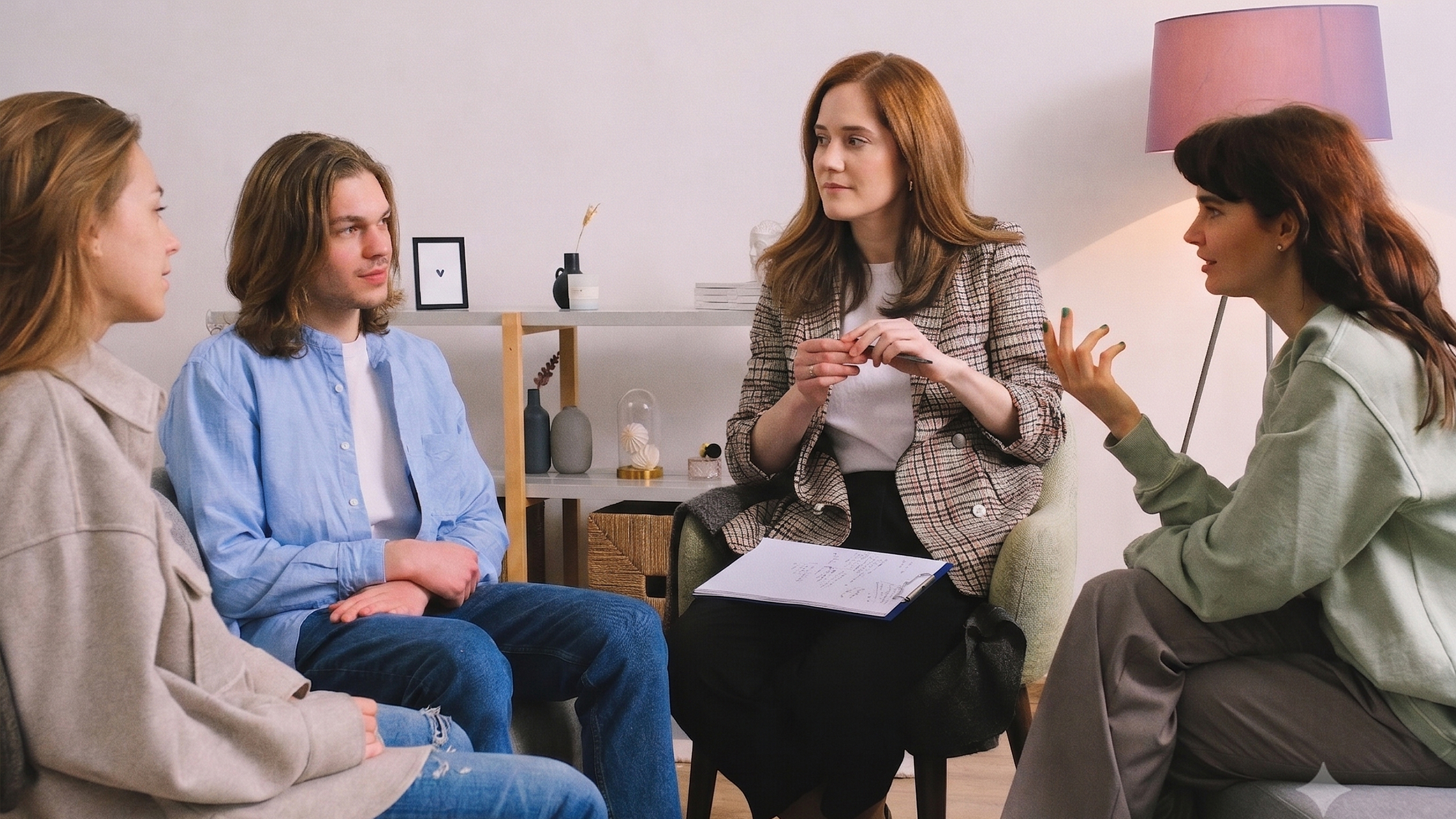
What to Expect from Your First Group Therapy Session
Have you been thinking about joining a group therapy session but keep putting it off?
If so, you’re not alone.
Starting something new can feel intimidating, especially when it involves sharing parts of yourself with people you’ve never met before.
Many people arrive with questions such as:
“What if I can’t talk?”
“What if everyone is looking at me?”
“What if I get emotional?”
“What if I don’t feel comfortable?”
These are some of the most common concerns I hear, and they’re completely understandable.
The good news is that you’re very unlikely to be the only person walking into the room with these thoughts. In fact, most people feel exactly the same way before their first session.
The first session isn’t about telling your whole story
One of the biggest misconceptions about group therapy is that you’ll be expected to immediately open up and share everything about yourself.
That isn’t how group therapy works.
The first session is primarily about creating a space where everyone feels safe, respected, and comfortable.
You’ll have the opportunity to get to know the group, understand how the sessions will work, learn about confidentiality, and ask any questions you may have.
Building trust always comes before sharing personal experiences.
Do I have to speak during my first session?
No.
This is probably the question I’m asked most often.
There is no expectation that you have to speak before you’re ready.
Some people feel comfortable sharing during the first meeting, while others prefer to simply listen for the first few sessions.
Both approaches are completely okay.
Group therapy isn’t about pressure—it’s about allowing people to participate at a pace that feels right for them.
What if everyone is looking at me?
Interestingly, while you’re worrying that everyone is watching you, they’re often wondering exactly the same thing about themselves.
They’re asking themselves:
“Do I belong here?”
“Will people understand me?”
“What if I say the wrong thing?”
As the sessions progress, most people realise that the atmosphere is very different from what they imagined.
Instead of judgement, they find curiosity.
Instead of criticism, they experience empathy.
Group therapy isn’t about being evaluated.
It’s about feeling understood.
What if I cry?
Many people worry about becoming emotional during therapy.
The truth is, emotions are welcome in therapy.
You don’t have to cry.
But if you do, there’s nothing embarrassing or unusual about it.
For many people, allowing themselves to express emotions in a safe and supportive environment becomes an important part of the healing process.
Is group therapy confidential?
Yes.
Confidentiality is one of the foundations of group therapy.
At the beginning of the programme, the group agrees on clear confidentiality guidelines. Everyone is expected to respect each other’s privacy and keep personal stories within the group.
This shared commitment helps create the trust that allows people to feel safe enough to be themselves.
What makes group therapy so powerful?
One of the most meaningful moments I witness as a therapist often sounds something like this.
One person shares an experience they’ve been carrying alone for years.
Another person quietly nods and says,
“I thought I was the only one who felt that way.”
Moments like these remind people that they are not alone.
The healing in group therapy doesn’t only come from the therapist.
It also comes from feeling seen, understood, and accepted by others who may have faced similar struggles.
Who can benefit from group therapy?
Group therapy can be helpful for people experiencing many different challenges, including:
- Anxiety and excessive worry
- Feelings of loneliness or isolation
- Life transitions and major changes
- Relationship difficulties
- Low self-esteem
- The emotional impact of moving abroad
- Women’s emotional wellbeing
- Personal growth and self-awareness
Not every group is the same.
Groups are usually designed around shared themes or common experiences so that members can relate to one another while also learning from different perspectives.
The first step is often the hardest
You don’t have to arrive feeling completely confident.
You don’t have to know exactly what to say.
You don’t even have to feel ready.
Sometimes courage simply means showing up.
Many people leave their first session saying something they never expected:
“I wish I’d done this sooner.”
Frequently Asked Questions
Do I have to speak during my first group therapy session?
No. You are welcome to listen until you feel ready to participate.
Will everyone have the same problem as me?
Not necessarily. However, group members often share similar life experiences or emotional challenges, making it easier to feel understood and connected.
Can group therapy replace individual therapy?
For some people it can, while others benefit from combining both. The right approach depends on your individual needs and goals.
What if I feel nervous during my first session?
Feeling nervous is one of the most common experiences before joining a group. Most people find that these feelings begin to ease once the session starts.
You don’t have to do it alone
Joining a therapy group can be one of the most meaningful steps you take towards understanding yourself and connecting with others.
Sharing experiences in a safe, supportive environment often helps people realise that they are not as alone as they once believed.
If you’re wondering whether group therapy is right for you or would like to learn more about my upcoming therapy groups, I’d be happy to help you explore whether this could be the right next step for you.
